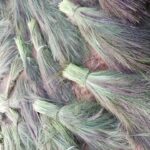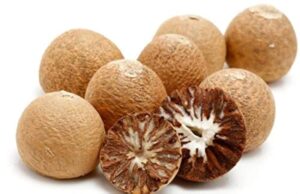
Betel nut, or supari, is a significant crop in North East India, particularly in Assam, Manipur, and Mizoram. The region’s climate and geography make it ideal for betel nut cultivation, with many farmers benefiting from its profitable trade.
Economic Benefits
Betel nut has become a lucrative crop for farmers, fetching higher prices than traditional crops. In Assam’s Tamulpur district, betel nut cultivation has enabled farmers to invest in solar fences to deter wild elephants, protecting their crops and livelihoods.
Challenges and Opportunities
Despite its economic benefits, the betel nut industry in North East India faces challenges like smuggling and fluctuating market prices. However, the demand for betel nut remains high, driven by its use in traditional practices and the gutka industry.
Conclusion
Betel nut is a vital part of North East India’s economy and culture. With proper support and regulation, the industry can continue to thrive, providing livelihoods for farmers and traders in the region.